Pescador on the Fly
6x revenue in two years, and still climbing
Thechallenge.
Pescador sells high-end fly rods: a considered purchase, real inventory limits, and a founder watching cash closely. They had walked away from Amazon, where the fees and the buyer-friendly returns punished a high-ticket rod, and they ran all of 2024 on their own. It did $100,071. The obvious lever, more traffic, was the expensive one. The cheaper lever was sitting in plain sight: make each order worth more.
What wedid.
- Ran Meta and Google together. Meta for acquisition, Google Shopping as the transparent workhorse, PMax steered toward YouTube with uploaded video
- Built the account around the value of an order rather than the count of them: the entry rod first, then the upgrade behind it
- Built video mashups in-house and ran creator partnership ads to fill the top of the funnel cheaply, then let the retargeting stack do the closing. Partnership ads fill the funnel. They do not close it, and we have never pretended otherwise
- Brought the cost of a click down 42% from its April 2026 peak, $0.97 to $0.56
- Expanded non-branded Google search into fly-rod-specific keywords, so the business was not standing on one channel
Theresults.
- Before us, and after$100,071 in 2024 running it alone. $303,610 in year one with us. $315,607 in the first six and a half months of 2026 already, more than all of last year
- The average order, more than doubled$182 to $399. Each order is now worth about 2.2x what it was, which is the entire reason the revenue tripled
- 2026 paceOn pace to close around $600,000. Jeff, the founder, says the same number himself
- Cost of a clickDown 42% from its April 2026 peak, $0.97 to $0.56
Thecreative.
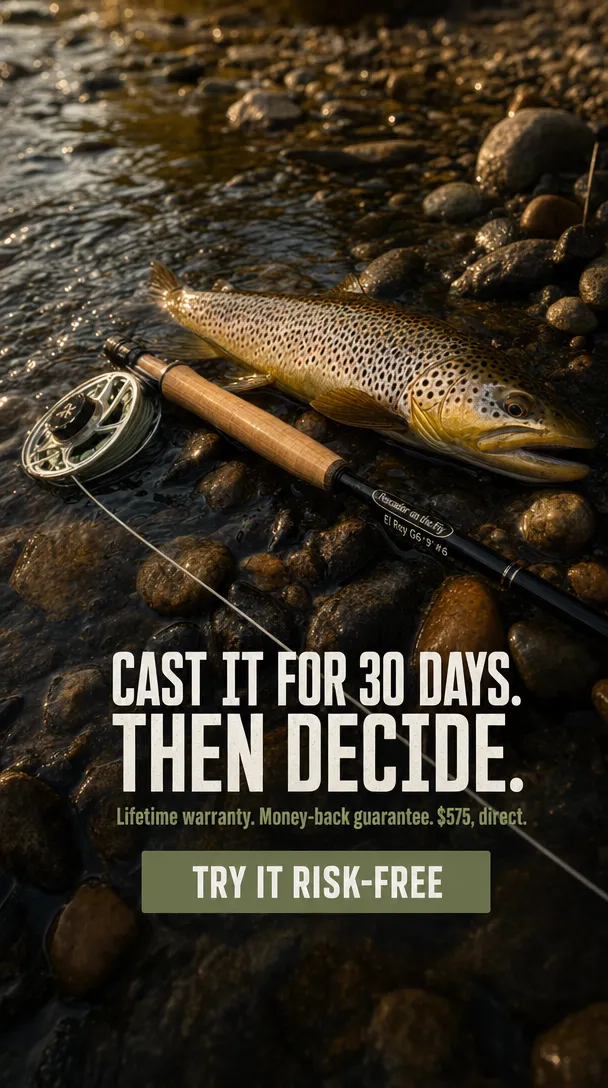
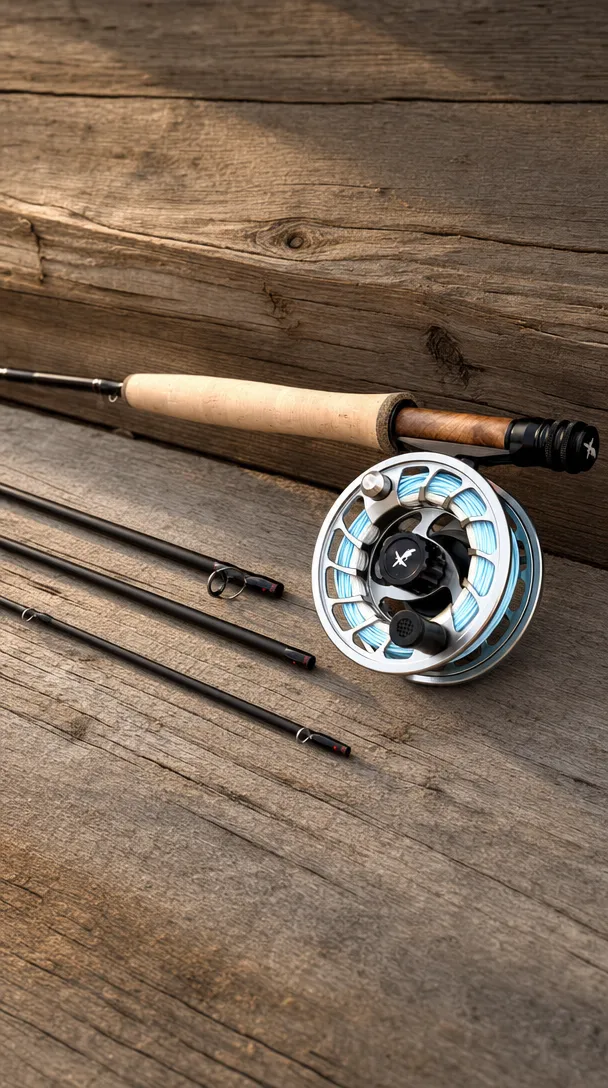
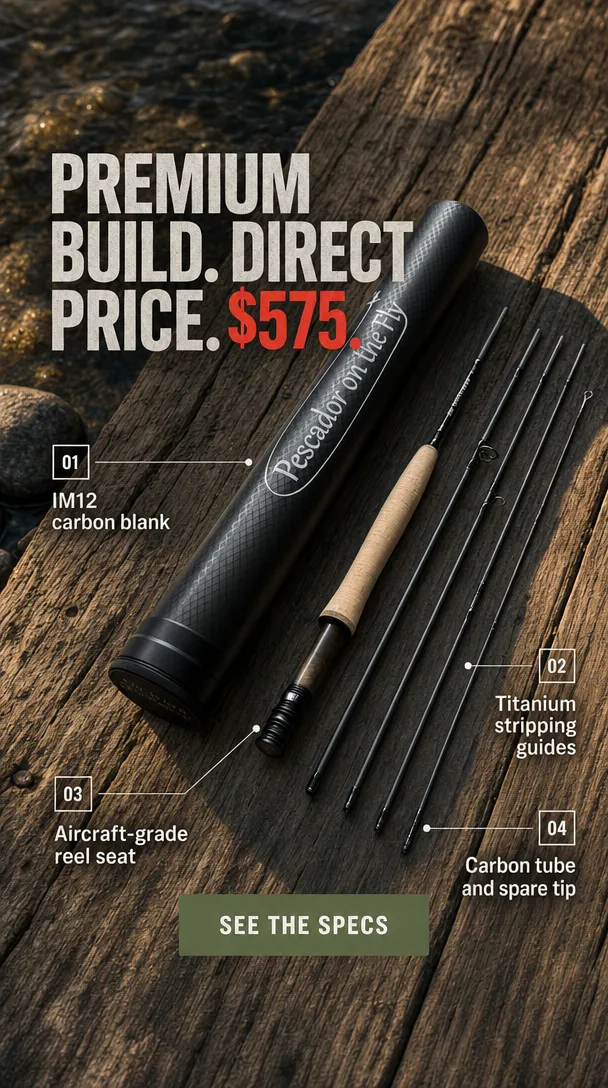
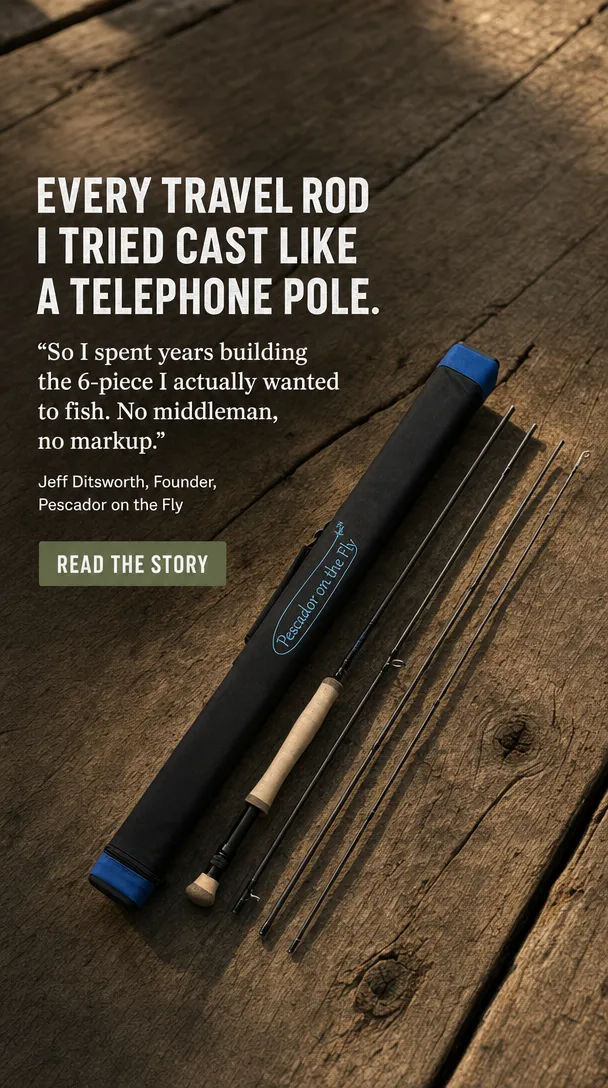
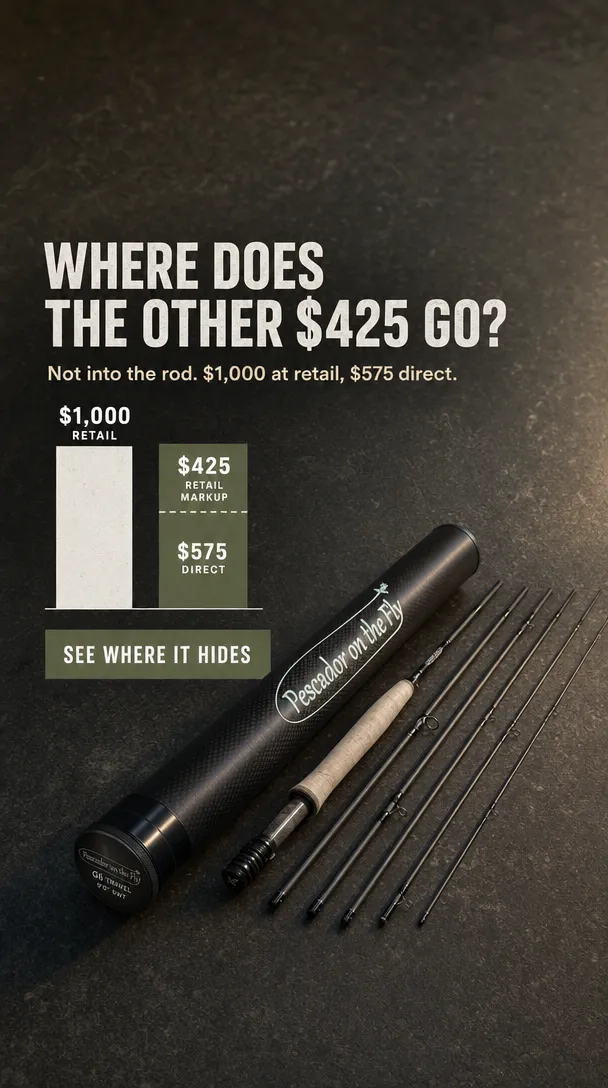
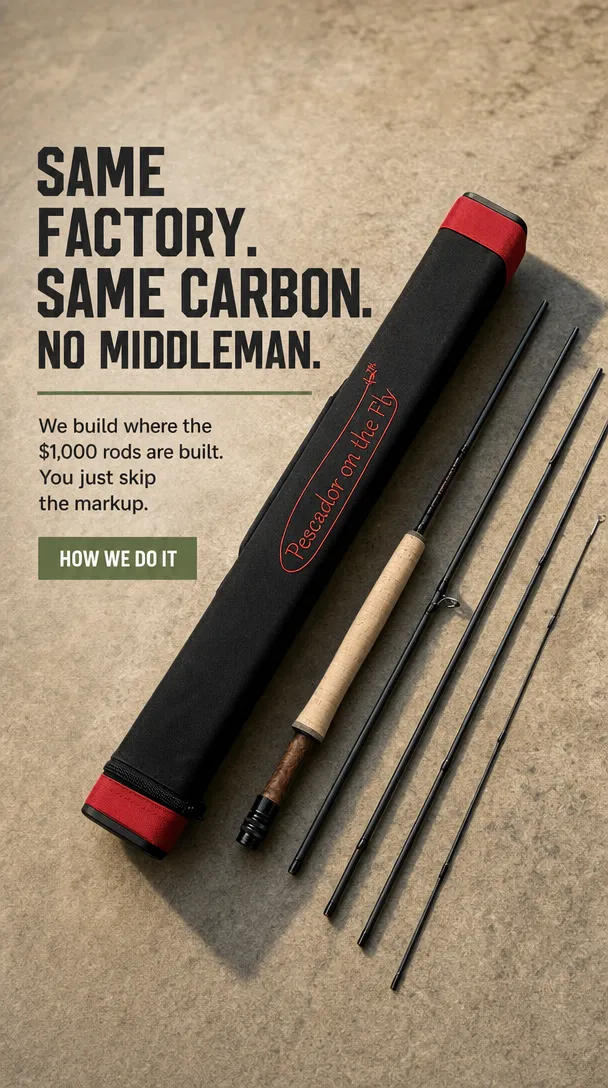
Inmotion.
Pescador ran all of 2024 by themselves and did $100,071. High-end fly rods, a long consideration cycle, real inventory limits, and a founder who could not simply outspend the problem. They had already left Amazon, where the fees and the returns policy ate a high-ticket rod alive.
You have three numbers to work with, and only one of them was cheap to move here. Conversion rate on a considered, high-ticket purchase is stubborn. More traffic costs money they did not have. But the average order was $182, on a catalogue that goes a long way north of that. So we built the account around the size of the order rather than the number of them: the entry rod pulls the buyer in, the upgrade sits behind it. Meta and Google ran together, creator partnership ads filled the top of the funnel cheaply and retargeting did the closing, and the cost of a click came down 42% from its April 2026 peak, $0.97 to $0.56.
Year one with us was $303,610. The first six and a half months of 2026 have already done $315,607, more than all of last year, and Jeff expects to close the year around $600,000. Here is the honest mechanism, because it matters more than the number: they are not converting a bigger share of their visitors. They are converting a smaller one. Revenue tripled anyway, because the average order went from $182 to $399 and each sale is now worth about 2.2x what it was. That is what it looks like when you pull the right lever instead of the obvious one.