Twelve South
+35% Blended ROAS in 30 Days. 2x Net Revenue in 90 Days
Thechallenge.
Twelve South was spending on Meta and Google, and Meta's own dashboard was reading 1.2 to 1.5 against a 2.2 target. By that number the account was underwater, and the obvious, responsible, textbook move was to cut the budget. Cutting would have been a mistake. Attribution is genuinely hard: a platform counts a sale it helped cause, a store's analytics credits the last thing the buyer touched, and neither of them is lying. But you cannot run a business on two scoreboards that disagree, and you certainly cannot decide whether to scale on one.
What wedid.
- Ran a three-way reconciliation, Meta against the store's own analytics against Shopify, instead of arguing about which dashboard to believe
- Anchored on the one number that gets banked: Shopify. The store's analytics agreed with it inside about 4%, so we knew which scoreboard was load-bearing
- Measured the gap rather than blaming it. Meta's reported revenue ran about 1.7x the store's analytics, and it ran 1.7x steadily, which is the signature of an attribution artefact and not of a platform breaking
- Recomputed the real return from banked revenue and total spend, and it was healthy. The account had been working the entire time; the scoreboard was the only thing that was broken
- Caught it and corrected the same day, 8 June 2026, and presented the next morning. They did not cut. They kept scaling: blended ROAS climbed 35% over the next 30 days and net revenue doubled inside 90
Theresults.
- Blended ROAS, first 30 daysUp 35% in the first month, once we chose to scale the account instead of cutting it
- Net revenue, first 90 daysDoubled inside 90 days
- What the dashboard showedMeta's own reported return read 1.2 to 1.5 against a 2.2 target. On paper the account was failing and the responsible-looking move was to cut spend
- The gap, measuredMeta's reported revenue ran about 1.7x the store's own analytics over the same five weeks, and the gap held steady. A steady gap is an attribution artefact, not a platform going dark
- What we did about itReconciled Meta against the store's analytics and against Shopify, which agreed with each other inside about 4%. Caught and corrected the same day, 8 June 2026, and presented to the client the next morning. They kept scaling
Thecreative.
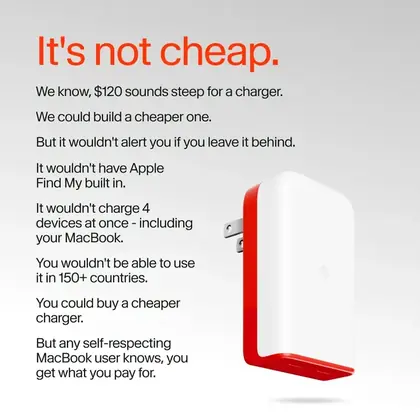




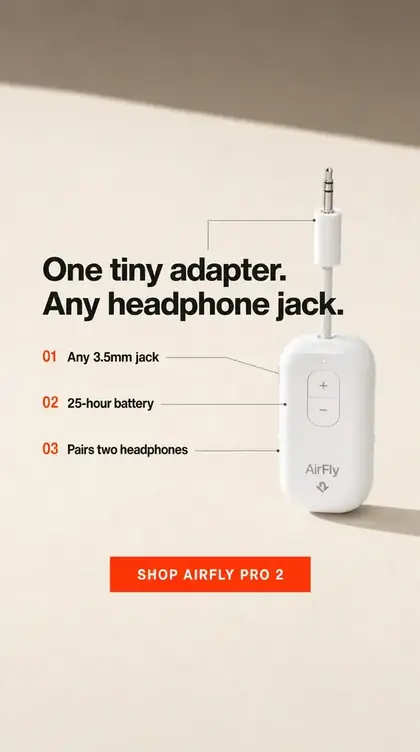
Inmotion.
The dashboard said Twelve South was losing money. Meta’s own reported return was reading 1.2 to 1.5 against a 2.2 target, and if you take that at face value you do the responsible thing: you cut the budget, you tell the founder you protected him, and you quietly kill the account that was funding his year.
Nobody was lying. Attribution is just hard. A platform counts a sale it helped cause; a store’s analytics credits the last thing the buyer touched; the two answer different questions and land on different numbers. What tells you which one to trust is a third number that cannot be argued with, and that number is Shopify, because that is the money that actually arrived. So we ran the reconciliation: Meta against the store’s own analytics against Shopify. The store’s analytics and Shopify agreed inside about 4%. Meta’s reported revenue ran about 1.7x the store’s analytics, and it ran 1.7x steadily. A steady gap is an artefact of how a sale gets credited. It is not a platform going dark.
Recomputed against the money that actually landed, the account was healthy. The ads were fine. The scoreboard was wrong. We caught it and corrected it the same day, 8 June 2026, and told them the next morning. They did not cut. They kept scaling, and it paid: blended ROAS climbed 35% over the next 30 days and net revenue doubled inside 90. That is the whole job: not to be clever about ads, but to make sure the number you are steering by is the number that pays you.